
Botanical and herbal ingredients
Botanical and Herbal Ingredients in Men's Blends
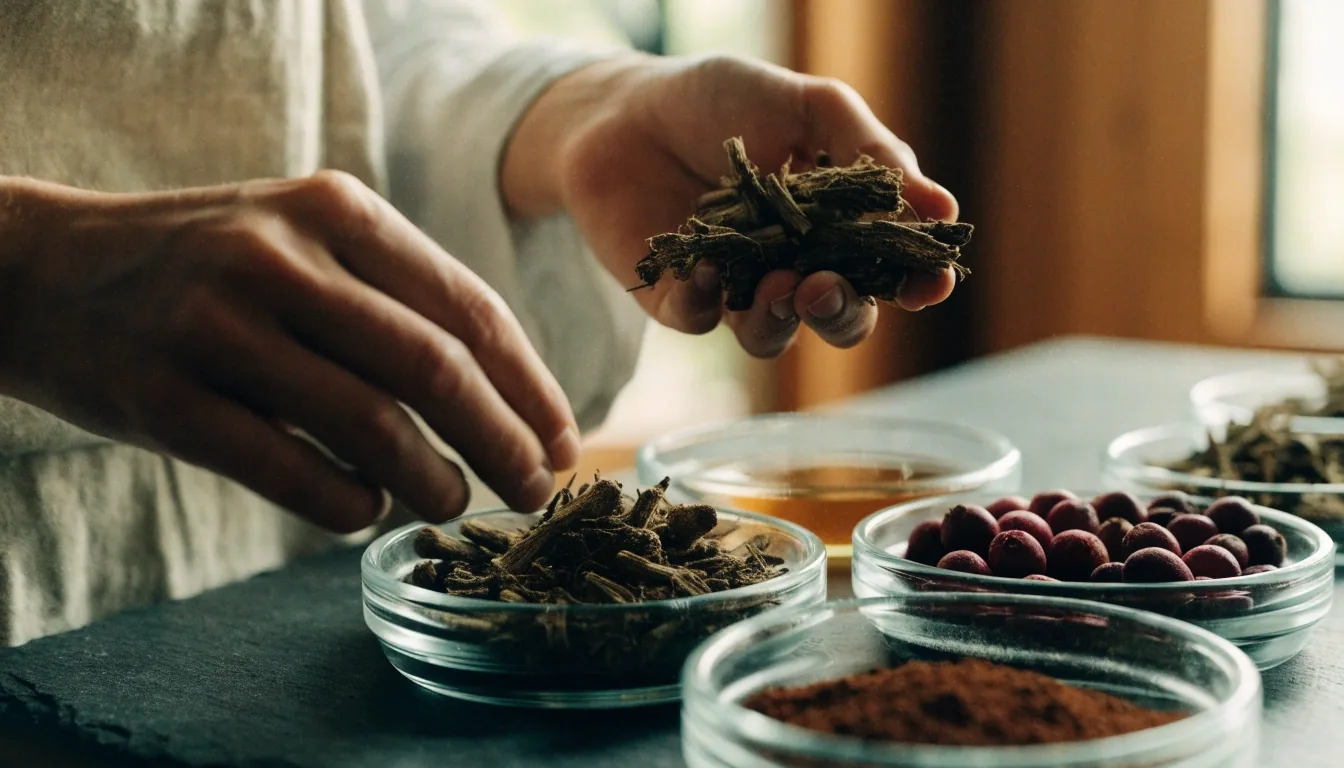
Plant extracts show up in men's wellness formulas for a practical reason: they combine easily with a vitamin base. Maca, pygeum, nettle root, and psyllium husk cover four different jobs, from single-herb capsules to fiber. Understanding what each one is, and how it is usually sold, makes the ingredient list on any bottle easier to read.
Four extracts, four different jobs
Most botanical labels you meet in men's wellness retail are not built around a single plant. They stack two or three extracts next to a vitamin and mineral base, and each extract is there for a separate reason. Reading them side by side is easier than reading them one bottle at a time.
Maca
A recognizable name on the front of the pack, usually sold as a single-herb capsule.
Pygeum
Rarely alone. Shows up in capsule and extract blends with complementary botanicals.
Nettle root
An extract that rounds out a blend rather than carrying the label on its own.
Psyllium husk
A plant-derived fiber sold as powder, capsules, or inside fiber mixes.
Maca: the single-herb capsule example
Maca appears in product names more than most botanicals. Maca Man, sold by GNC, is a capsule product in a 60-capsule pack, named directly for the plant. That naming tells you something about how the market treats it: as a recognizable ingredient, not a hidden component.
If you want to understand single-herb formats, this is the clearest example in men's wellness retail. One plant, one capsule, one number on the front of the pack. Nothing is buried in a blend figure, so the label is short and the comparison is honest. That structure is also why maca shows up in natural supplements for men aimed at everyday routines rather than at anything exotic.
The practical detail to carry forward: a 60-capsule pack taken at two capsules a day lasts a month. At one a day it lasts two. That single division tells you more about cost per month than the sticker price does.
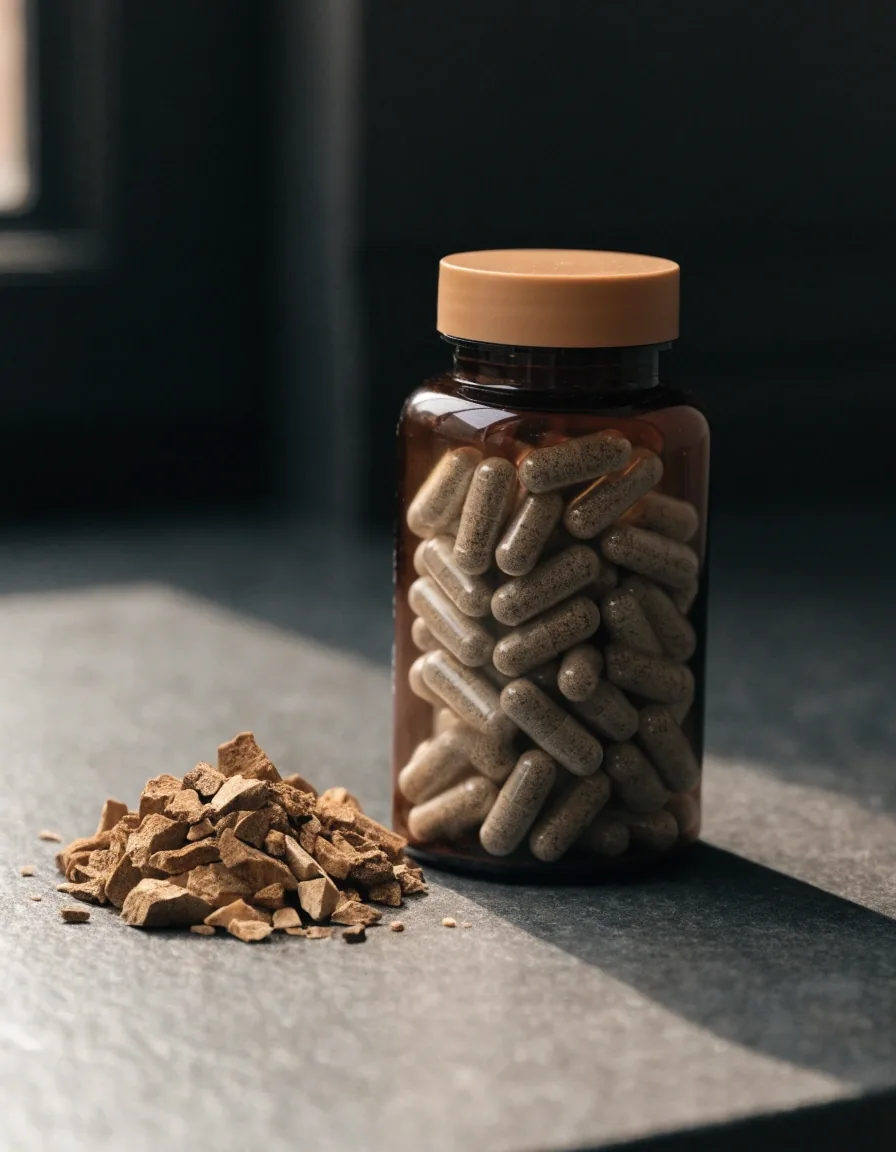
Single-herb capsules keep the whole label on one plant, which makes the daily serving the number worth comparing.
When you read a blend label, look for individual extract amounts. A single combined figure hides how much of anything is inside.
The rest of this page works through each extract the same way: what it is, how it is usually sold, and what the label actually tells you.
Pygeum: built for combinations
Pygeum rarely appears alone. It shows up in botanical combination formulas, most visibly in Penn Herb's saw palmetto-pygeum blend. It is typically sold in capsule or extract form.
When you see pygeum on a label, you are usually looking at a formulator's attempt to pair complementary extracts rather than a single-ingredient product. That is the useful thing to notice. The pairing is the design decision, and the amount of each extract per serving is where the decision either holds up or does not.
Pygeum blends often sit next to the natural capsules for strength and vitality you see on retail shelves, but the format is the same idea: two or three extracts grouped so that no single plant has to carry the whole formula.
Nettle root: the blend partner
Nettle root is usually sold as an extract rather than a whole-food product, and it commonly appears in blended herbal formulas alongside saw palmetto and pygeum. It is one of the recurring names in men's wellness retail ingredient lists.
Form
Extract, standardized into a measured serving rather than sold as raw dried plant.
Company
Usually listed with saw palmetto and pygeum in the same botanical blend.
Role on the label
Structural. It rounds out a blend instead of standing alone as the headline ingredient.
How botanical blends are built
Formulators pair extracts that are traditionally grouped together. Pygeum and nettle root show up together repeatedly, often with saw palmetto. The logic is complementary positioning, not a single hero ingredient.
When you read a blend label, look for individual extract amounts. If the whole blend is listed as one total, you cannot tell how much of anything is inside.
-
1
Find each extract by name
A named extract can be measured. A generic phrase like herbal blend cannot.
-
2
Check the amount per serving
This is the figure that lets you compare one bottle against another on equal terms.
-
3
Watch for one combined blend figure
A single total across several extracts hides the split between them.
-
4
Compare blends at the same serving size
Two capsules a day from one brand is not the same as three from another.
Psyllium husk: the practical outlier
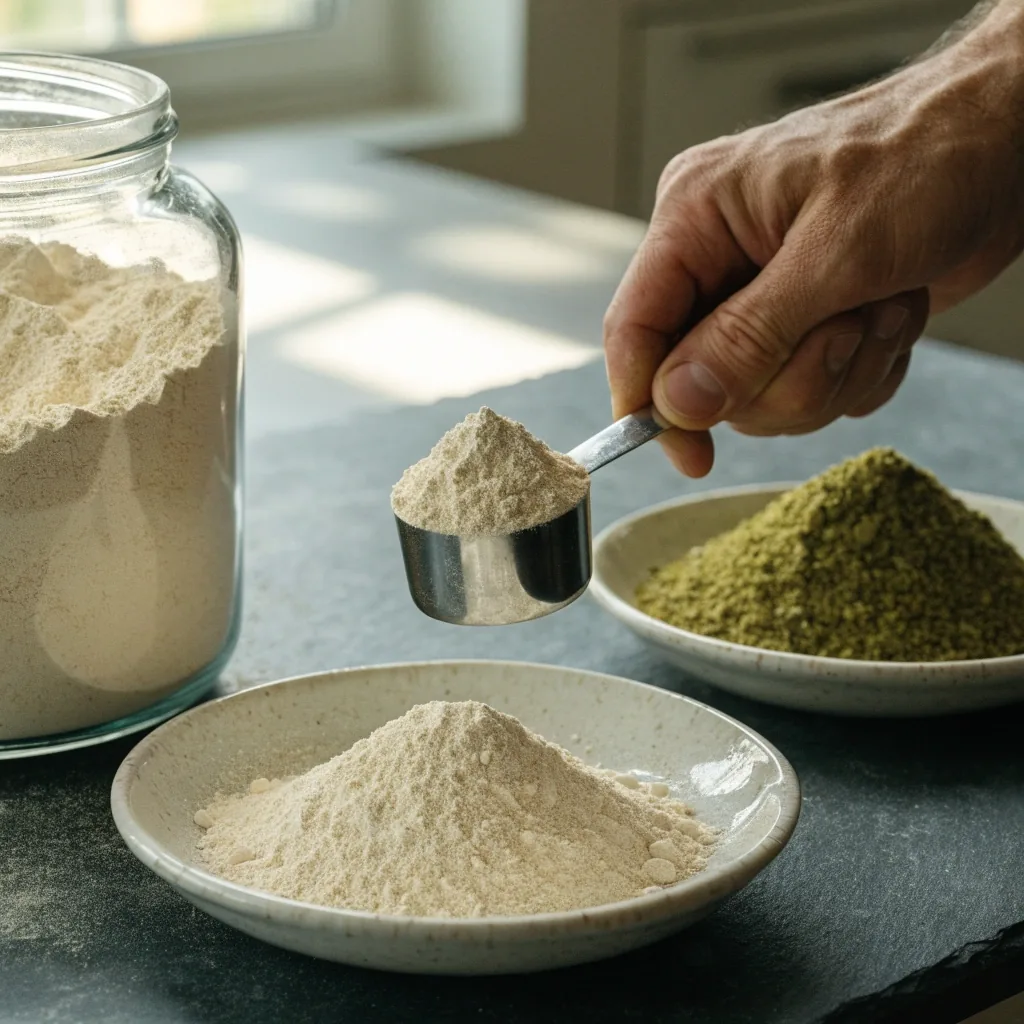
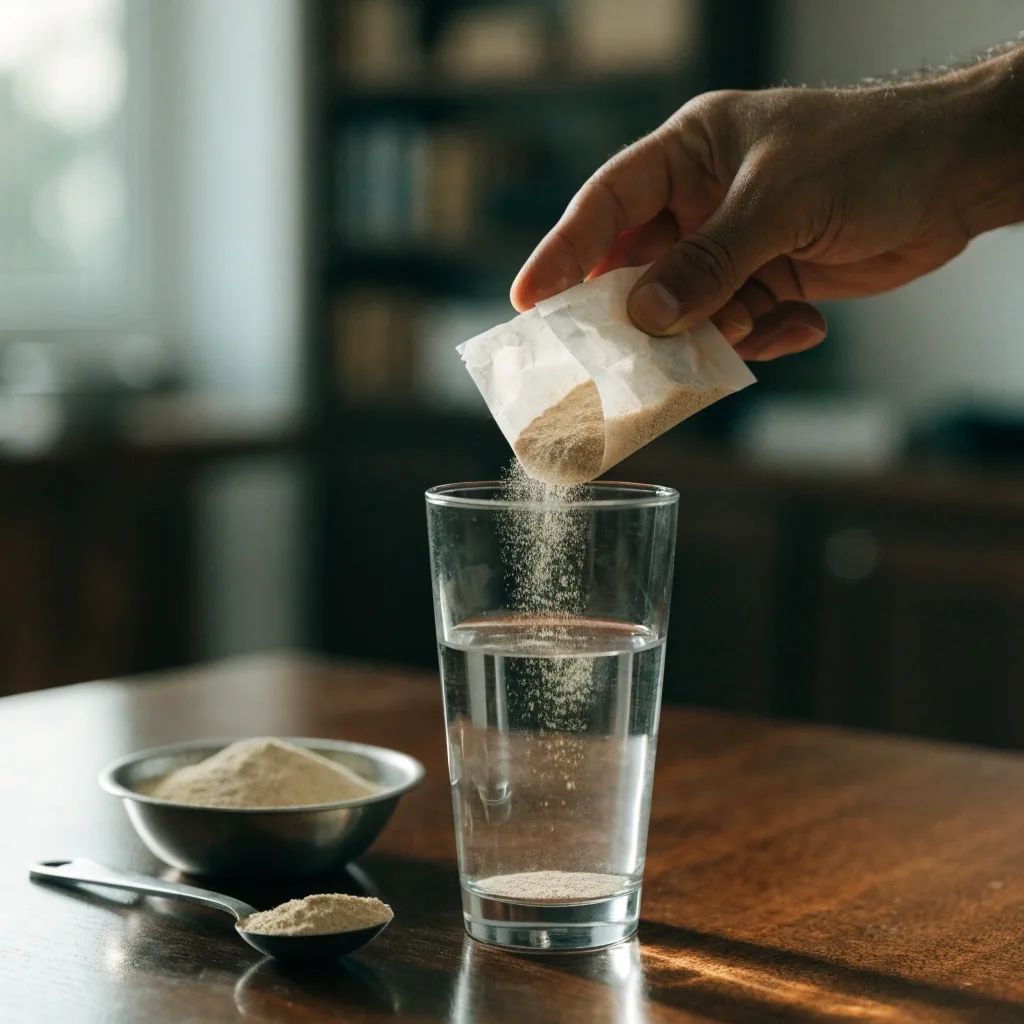
Psyllium husk is a fiber supplement, usually sold as powder, capsules, or in fiber mixes. It is known for digestive and fiber-related positioning in supplement retail, and it is a common support ingredient rather than a flashy one.
It stores well, costs little, and gets ignored because it does not sound exciting. For many men it is the most useful thing on this page. Fiber is a daily-habit product, so the format question matters more than the headline: powder you mix into water, or capsules you take with it.
Extract versus powder versus whole plant
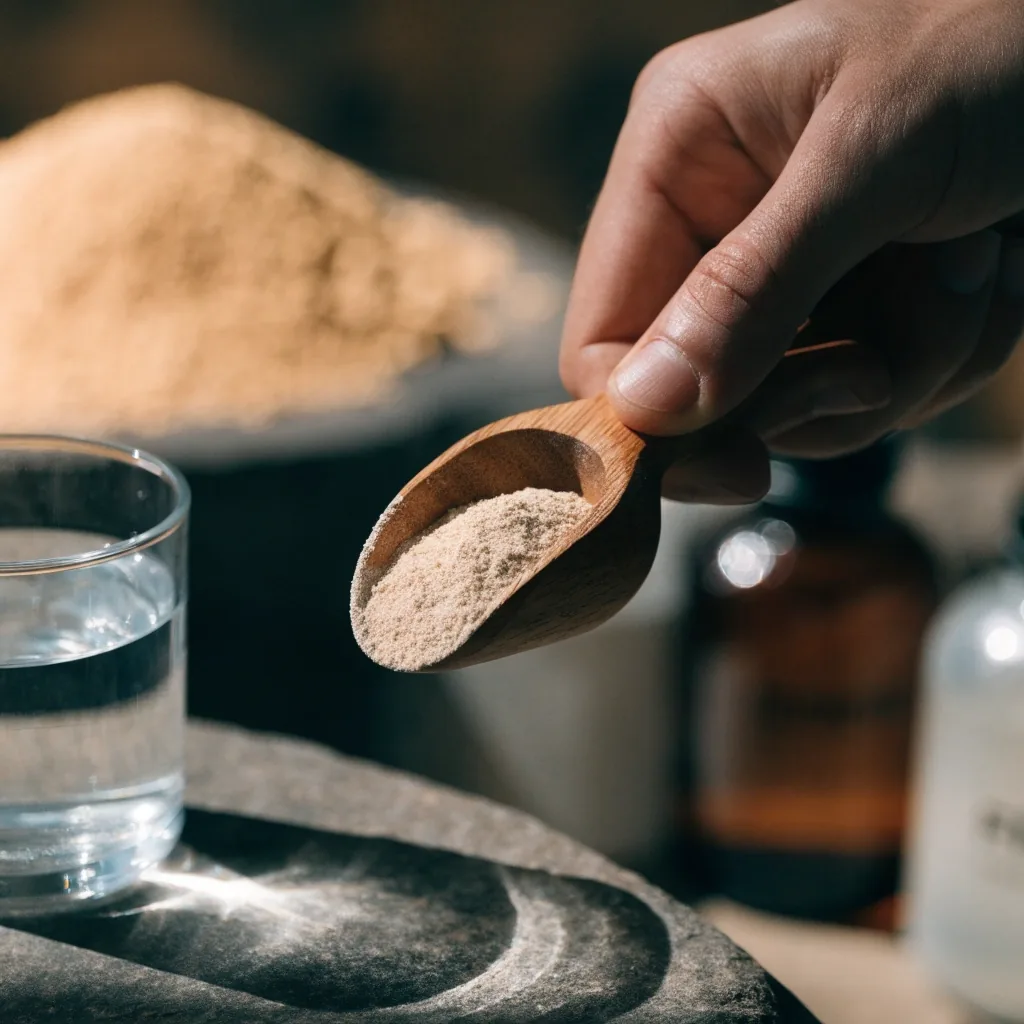
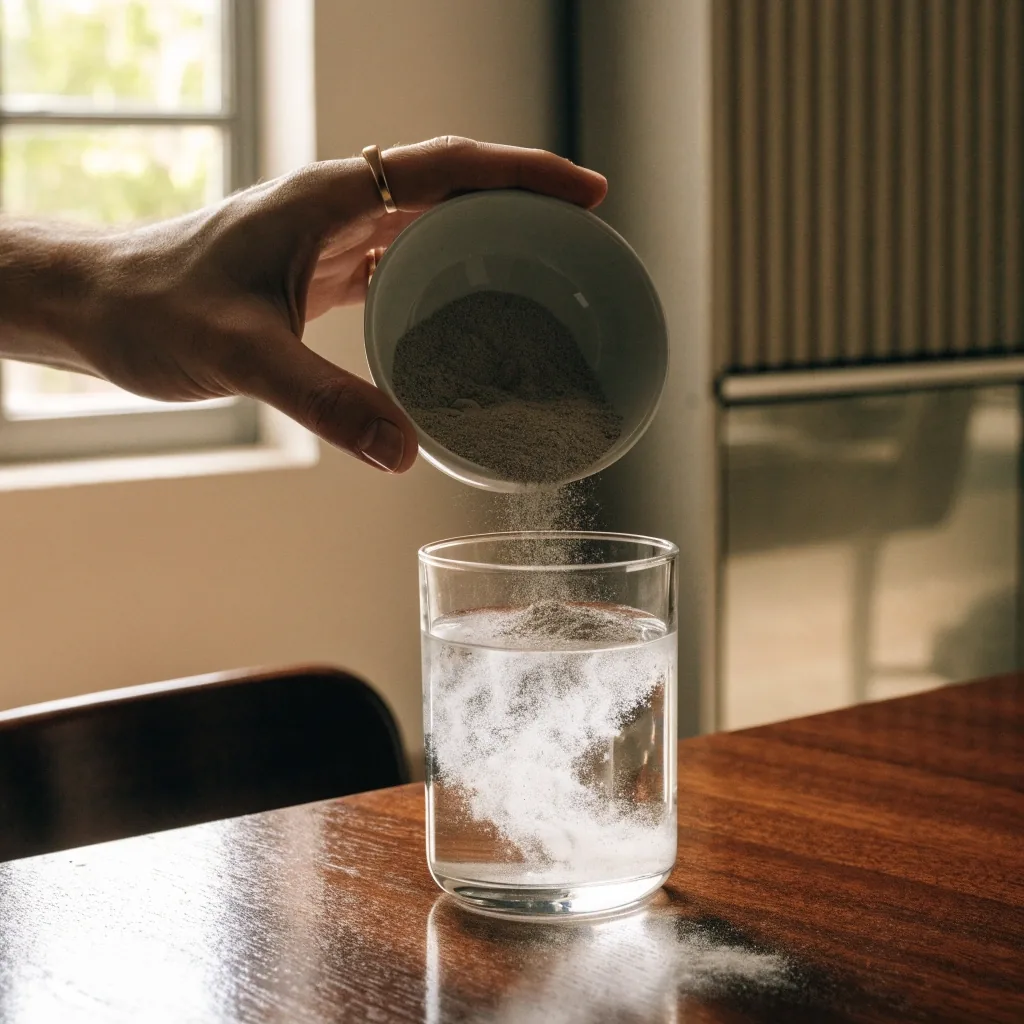
Extracts concentrate a specific part of the plant into a standardized serving. Powders are closer to the raw material, usually with a larger serving size. Whole-plant products are rare in men's wellness retail. Most capsules you see contain extracts.
Extract
A measured amount of a specific plant fraction per serving. This is what most capsules hold, and the amount is usually stated on the label.
Small serving size, stated amount.
Powder
Closer to the raw dried plant. Serving sizes run larger, and the powder is mixed or scooped rather than swallowed in a capsule.
Larger serving size, closer to raw.
Whole plant
Uncommon in this retail category. When you do see it, the label rarely gives a comparable amount, which makes side-by-side reading harder.
Rare, hard to compare.
This matters when comparing labels, because extract amounts and powder amounts are not directly comparable. A small extract figure and a large powder figure can describe very different things, so always check which form the number refers to before lining two products up.
Reading a botanical label
Check the extract name, the amount per serving, and the serving size. Note whether the blend lists individual amounts or one combined figure. Look at the capsule count and divide by the daily serving to see how long the bottle lasts.
Extract name
Named botanicals can be measured and compared. Unnamed blend phrases cannot.
Amount per serving
This is the single figure that makes two bottles comparable at all.
Serving size
One capsule or three changes every other number on the label.
Individual or combined
One total across several extracts tells you nothing about the split between them.
Capsule count
Divide by the daily serving to see how long the bottle lasts. A 60-capsule product at two per day is a one-month supply, which is the number worth comparing across brands.
Worked through once, that list turns a shelf of similar-looking bottles into a short comparison. The daily nutrition guide covers how these extracts sit alongside vitamins and minerals for men in a normal week.
Plant-based positioning and what it does not mean
Plant-based on a label means the ingredient comes from a plant. It does not mean the product is safer, gentler, or more effective than a mineral or vitamin. Botanicals are simply a different ingredient category.
Judge them on the same criteria: clear amounts, realistic positioning, and a format you will take daily. That last point decides more than any front-of-pack claim. A botanical blend you skip because the scoop is inconvenient is worth less than a plain fiber powder you actually finish.
Same criteria for every category
- Are the amounts stated per serving?
- Is the format one you will keep using?
- Does the label describe the product or oversell it?
- How long does one pack actually last?
Supplements are not medicines. If you take prescribed products or manage a health condition, speak with a qualified professional before adding anything new to your routine.
Questions about botanical labels
Short answers to the things that come up most when reading men's vitamin supplements and botanical blends side by side.
Are botanical extracts sold alone or in blends?
Both. Maca Man is a single-herb capsule. Pygeum and nettle root usually appear in blends with other extracts such as saw palmetto.
What should I look for on a blend label?
Individual extract amounts per serving. If the entire blend is listed as one combined figure, you cannot tell how much of each ingredient is present.
Is psyllium husk a botanical?
It is a plant-derived fiber supplement, usually sold as powder, capsules, or in fiber mixes. It is grouped with botanicals here because of its plant origin.
Does an extract amount compare directly to a powder amount?
No. An extract concentrates part of the plant into a small serving, while a powder is closer to the raw dried material and uses a larger serving. Check which form the number refers to before comparing two products.
Where to go next with what you have read
The label habits on this page apply to every bottle on the shelf, botanical or not. If you want to put them to use, start with the products men actually buy, then check the daily nutrition guide for how these extracts sit next to a vitamin and mineral base. Found a botanical blend you want looked at? Send it our way and we will write it up.
Office
Jl. Jenderal Sudirman No. 52, Jakarta 12190, Indonesia
Hours
Monday to Friday, 9:00 AM – 6:00 PM (WIB)